"Woke" Controversy In The Dial Of Destiny Explained
 Matthew Barrera
 The fifth Indiana Jones movie caused controversy for supposedly being "woke", but what was it about Dial of Destiny that caused such a stir?
Summary
- The fifth Indiana Jones movie faced controversy over its "woke" humor, but its financial failure was likely not due to this controversy.
- Phoebe Waller-Bridge's character made jokes about capitalism and Indiana Jones stealing from indigenous communities, reflecting the changing attitudes in the movie's setting.
- The controversy surrounding the movie's supposed "woke" elements was overblown, but it sparked a strong reaction within the fanbase.
The fifth Indiana Jones movie caused controversy over its so-called woke humor, and Indiana Jones and the Dial of Destiny drew the ire of some viewers. Premiering in 2023, the long-awaited fifth Indiana Jones movie caught back up with the intrepid archeologist, once again played by Harrison Ford, as he searches for an elusive artifact that can alter the course of time itself. With a franchise stretching across five decades, the Indiana Jones series is one of the most beloved properties in Disney's massive arsenal of intellectual properties, but even a legacy sequel like Dial of Destiny wasn't universally beloved.
Amid decent-to-middling reviews from mainstream critics (via Rotten Tomatoes), Disney's big swing for the fences seemingly didn't pay off as Dial of Destiny lost $100 million for the studio. While a multitude of factors went into the movie's financial failure, its loss of money was most likely not due to any anti-woke controversy that it may have stirred among a small subset of the audience. Tent-pole movies like Dial of Destiny are frequently attacked, and the fifth Indiana Jones movie was no different, with accusations of being "woke" typically plaguing most modern Disney projects.
Phoebe Waller-Bridge's Character References Capitalism In Indiana Jones 5
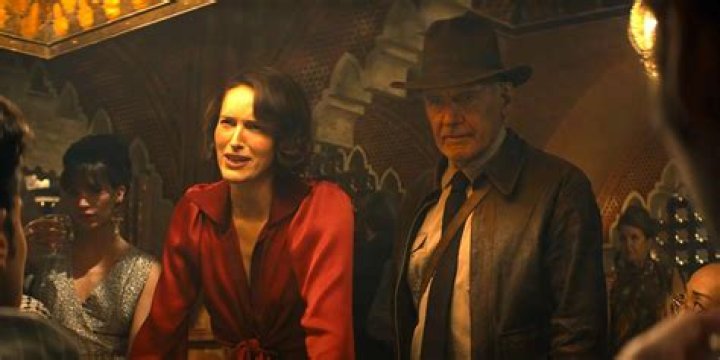
The crux of the supposed controversy surrounding the fifth Indiana Jones movie spawned from a few jokes dished out by Phoebe Waller-Bridge's character that were deemed "woke" by some. In one of the movie's more notable scenes, Waller-Bridge's Helena finds herself in a tussle with Dr. Jones and the evil Dr. Voller (Mads Mikkelsen) over the titular artifact. Voller accuses Jones of theft, and in turn, Helena is also accused of stealing, and she jokingly quips "It's called Capitalism" to the two exasperated doctors.
While the irony of a massive corporation like Disney writing such a joke was not lost on those in the outraged camp, it wasn't the hypocrisy that caused a stir. Helena is a humorous character overall, and her generation clashes with Indy made for some of the movie's best moments. Ultimately though, the critics of the film took the joke as if it was the thesis of the movie, and ignored the fact that Helena was a supporting character in a much larger universe. The rest of the Indiana Jones movies were filled with sly humor, and Helena's Capitalism joke actually reflected the changing attitudes of Dial of Destiny's setting.
Helena Shaw Also Points Out Indiana Jones Stole From The Indigenous
Later in the movie, Helena gives another dig at her much older counterpart when she points out that Indiana Jones made a career out of stealing artifacts from indigenous communities. The joke was another source of controversy for the fifth Indiana Jones movie, and it was dismissed by many as being too "woke" for mainstream cinema. While the franchise has typically been fun popcorn entertainment, Dial of Destiny took a moment to reassess the legacy of the character as would happen in the much more progressive '60s.
Despite all their fun and flamboyant action sequences, the Indiana Jones franchise isn't without its more problematic elements. Temple of Doom was criticized for its downright racism, even in the '80s, and Indiana Jones as a character would not be looked upon fondly in modern academia for his literal theft. Even the franchise's first scene in Raiders of the Lost Ark opens with the archeologist plundering a temple, and the excuse of keeping it out Nazi hands is somewhat flimsy. Ultimately, Indiana Jones and the Dial of Destiny's so-called "woke" controversy was largely overblown, but it clearly touched a raw nerve within the fanbase.